Ensure transparent consumption in factories with energy monitoring dashboards. See firsthand how you can reach your sustainability goals while lowering energy costs through smart sensors, IoT solutions, and automation integration.
Blog
Knowledge
Factories, which are the heart of production processes in industry, are among the areas where energy consumption is most intense. However, it is often difficult to see how much of this consumption is efficient and how much is waste. This lack of visibility leads to businesses being unable to correctly analyze energy costs and failing to notice losses. Especially in sectors where competition is intense, even seemingly small losses create large cost differences in the long run.
This is exactly where transparent energy management comes into play. The ability to monitor the electricity used in facilities both in real-time and retrospectively not only provides savings but also plays a critical role in terms of safety, sustainability, and efficiency. Energy monitoring dashboards are one of the most effective solutions addressing this need of factories. Thanks to these dashboards, businesses can track energy usage transparently, see how much energy each line consumes, and take a step toward a more sustainable production model by eliminating unnecessary energy losses. In this article, we will delve into the details of energy monitoring dashboards and transparent consumption; you can contact us for more technical information.
What are Energy Monitoring Dashboards?
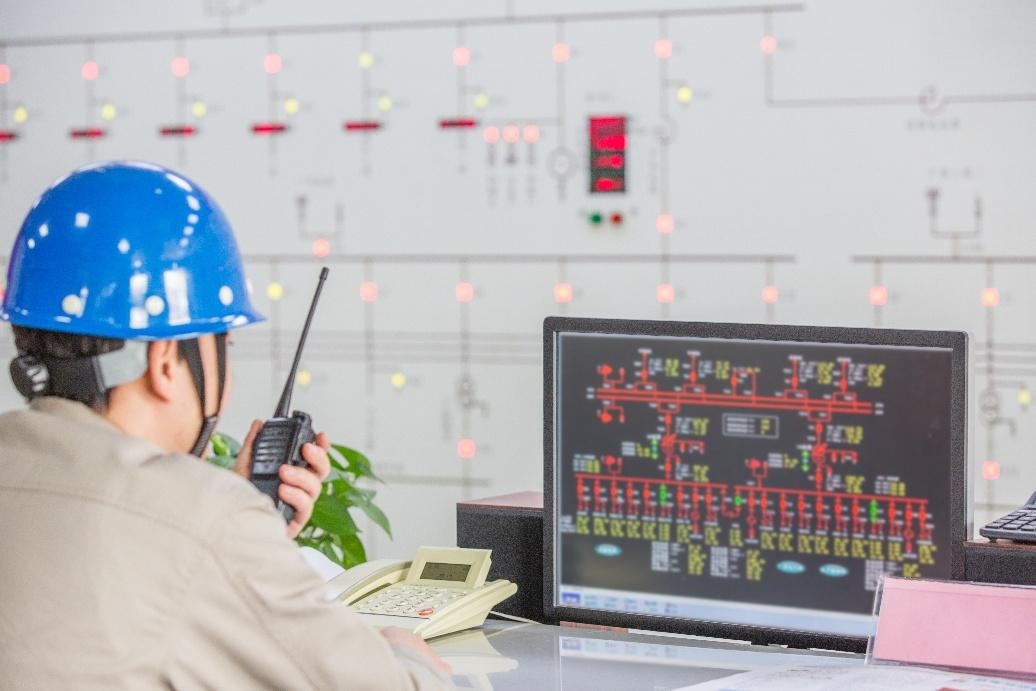
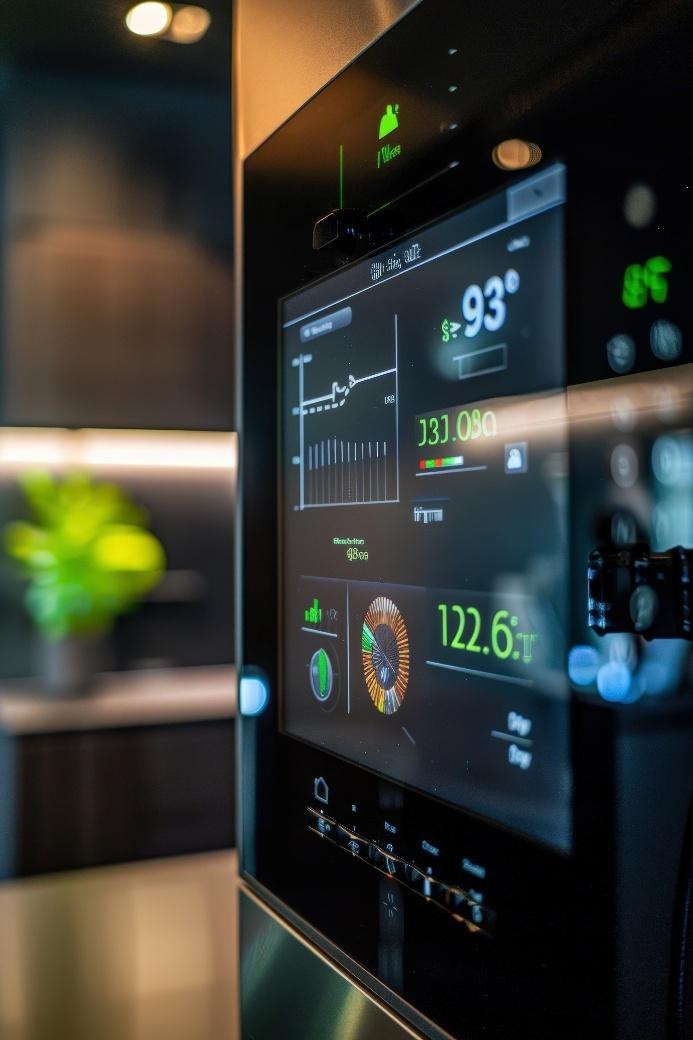
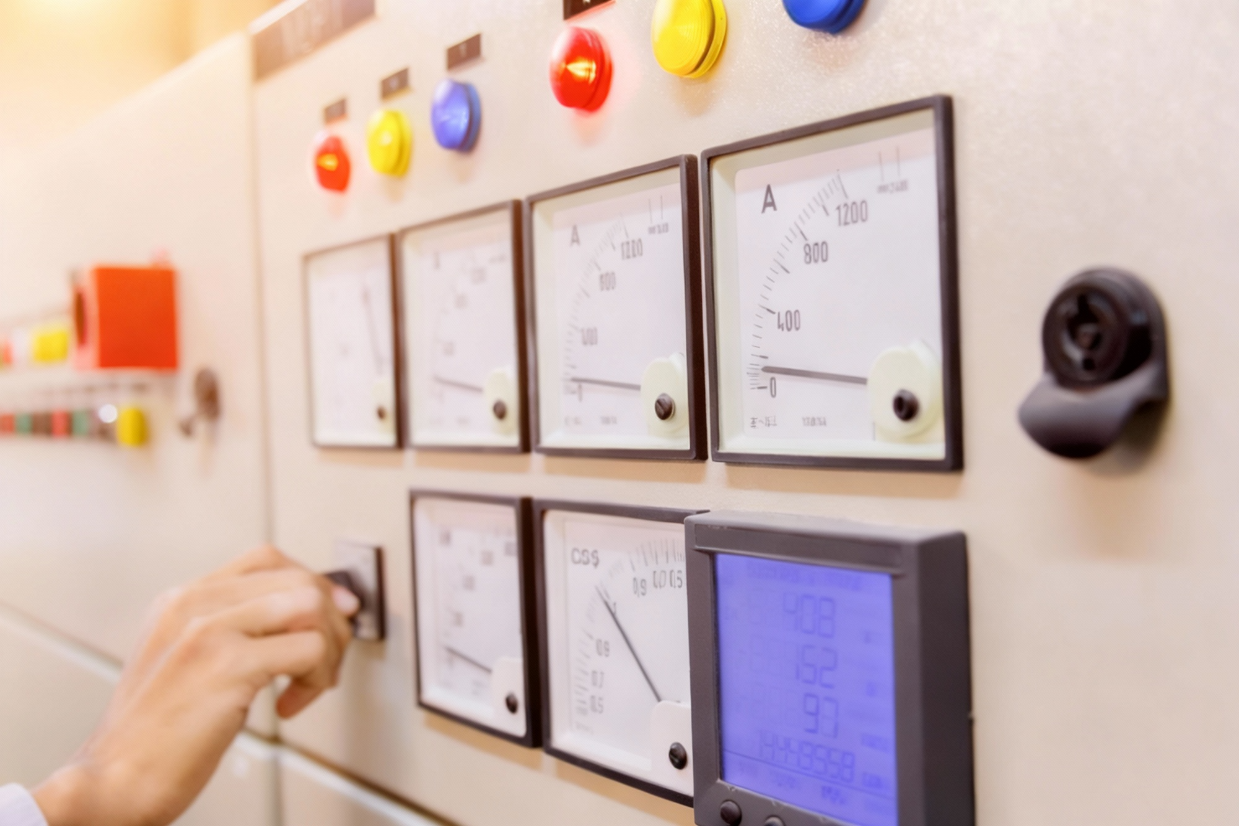
Energy monitoring dashboards are advanced panel technologies that make electricity consumption visible in factories. The main purpose of these panels is to provide businesses with transparent consumption management by recording both instantaneous and historical energy usage. In this way, managers can easily see how much energy specific lines, machines, or production processes are consuming.
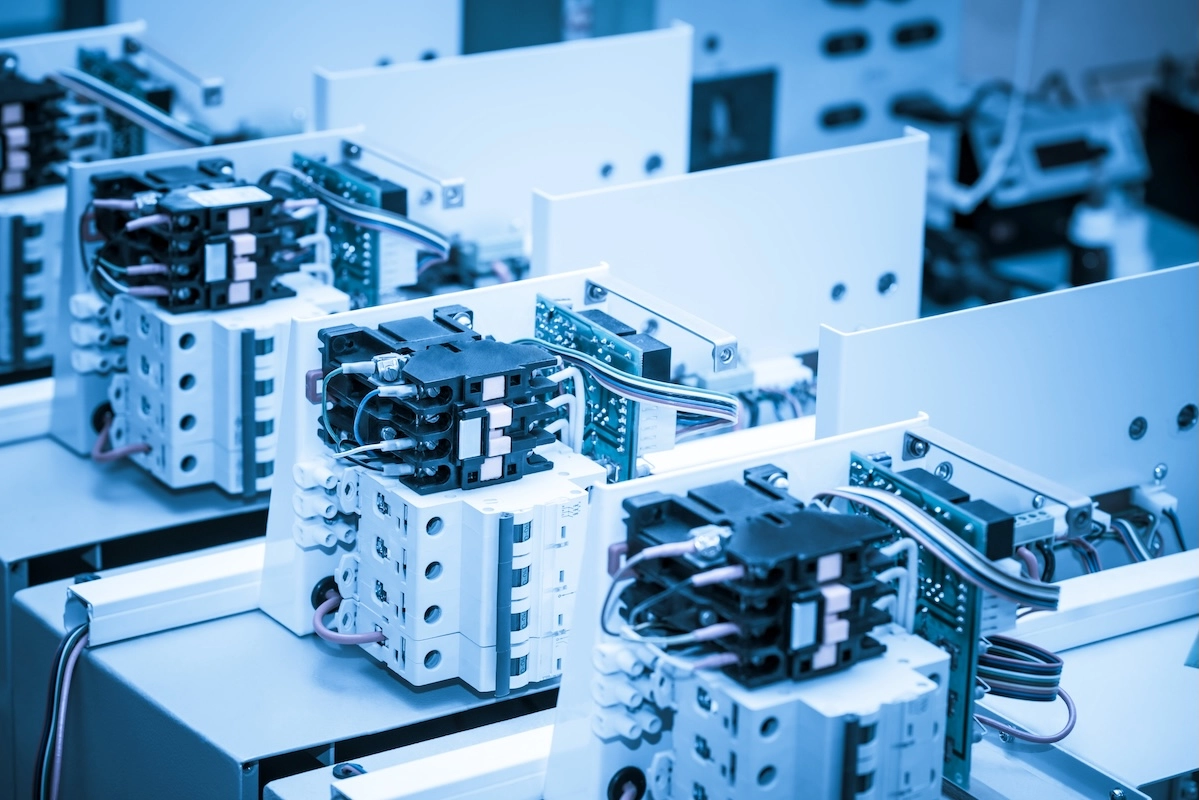
The most critical components of these panels include smart sensors, metering devices, and software integrations. Sensors continuously monitor electrical current and voltage, sending data to the panel. While the metering devices record this data in detail, the software integrations analyze the collected information and turn it into understandable charts and reports. Thus, not only technical personnel but also business managers can access a clear picture of energy usage.
In terms of transparency, energy monitoring dashboards illuminate the "dark spots" of factories. Energy losses, unnecessary consumption, or non-standard usage are immediately noticed through these panels.
Would you like me to translate the next section or provide more information on specific metering components?
Why is Transparent Consumption Necessary in Factories?
Making energy consumption transparent is not merely a choice for factories. On the contrary, it is a necessity under today's conditions. This is because energy is one of the largest items in production costs, and invisible consumption points can lead to serious budget losses. With transparent consumption, businesses can clearly see how much energy each production line spends and plan accordingly.
The critical benefits that transparent consumption provides to factories are:
Controlling Energy Costs: High consumption points are identified, preventing budget losses.
Achieving Sustainability Goals: The carbon footprint is lowered, and energy efficiency is increased.
Ease of Legal Reporting: Audit processes are accelerated, and compliance with regulations is ensured.
Increasing Employee Awareness: Energy waste becomes visible, fostering a culture of savings.
Furthermore, transparent energy management is of critical importance for sustainability goals. Consumption transparency is indispensable for reducing the carbon footprint, ensuring energy efficiency, and using resources correctly. Energy management standards such as ISO 50001 also demand that businesses implement such transparency solutions.
Additionally, transparent consumption in factories facilitates legal reporting and audit processes. When energy consumption is monitored regularly and clearly, complying with regulatory requirements becomes much faster and smoother. Besides this, transparency is an awareness tool not only for managers but also for employees. When employees see at which points energy is being wasted, they contribute more actively to the culture of savings and efficiency.
Advantages Provided by Energy Monitoring Dashboards
Energy monitoring dashboards are among the most effective tools for making energy management transparent in factories. With the correct installation and integration, these panels do not just collect energy data; they also provide versatile benefits to the business in terms of cost, safety, and sustainability.
Real-time consumption tracking
Energy consumption can vary between different production lines or machines in a factory. Thanks to energy monitoring dashboards, the energy consumption of each line can be tracked in real-time. This allows for the identification of energy-intensive areas and enables prioritized improvements.
Detection of losses
Machines that age over time or require maintenance may consume more energy than normal. Energy monitoring dashboards easily reveal these machines, optimizing maintenance processes and preventing unnecessary energy losses.
Efficiency analysis
By analyzing energy usage trends during production, more efficient work plans can be developed. This both maintains production continuity and contributes to the reduction of energy costs.
Ease of reporting
Generating detailed reports regarding energy consumption provides a significant advantage in legal audits or sustainability reports. Energy monitoring dashboards provide this reporting automatically and quickly, making it possible for the business to save both time and labor.
Cost savings
Transparency in energy consumption directly affects utility bills. By identifying unnecessary energy consumption, preventive measures can be taken, which creates a significant cost advantage in the long run.
Transparent Energy Management Methods
Energy monitoring dashboards alone are not sufficient. To use them effectively, various methods must also be implemented. Achieving transparent consumption in factories is possible not only by collecting data but by analyzing this data to make the right decisions.
To implement transparent energy management, solutions such as real-time monitoring systems, automation integration, and energy management software can be used. Thanks to this software, consumption data is easily analyzed and reported, serving as a guide for businesses.
Real-Time Monitoring Systems: Seeing energy consumption instantaneously is the first step toward transparency. Real-time monitoring systems reflect the energy used in production lines or specific machines onto the screen within seconds. This allows momentary fluctuations to be noticed easily and enables rapid interventions.
Integration with Automation: Energy monitoring dashboards become much more powerful when integrated with factory automation systems. For example, when energy consumption exceeds a certain threshold, the automation system can intervene to slow down the machine or run an alternative line. This integration minimizes energy losses.
Energy Management Software: Data collected from the panels must not only be monitored but also analyzed. Energy management software analyzes historical consumption data to offer future-oriented forecasts for businesses. Thus, energy budgets can be planned more soundly and sustainability goals are supported.
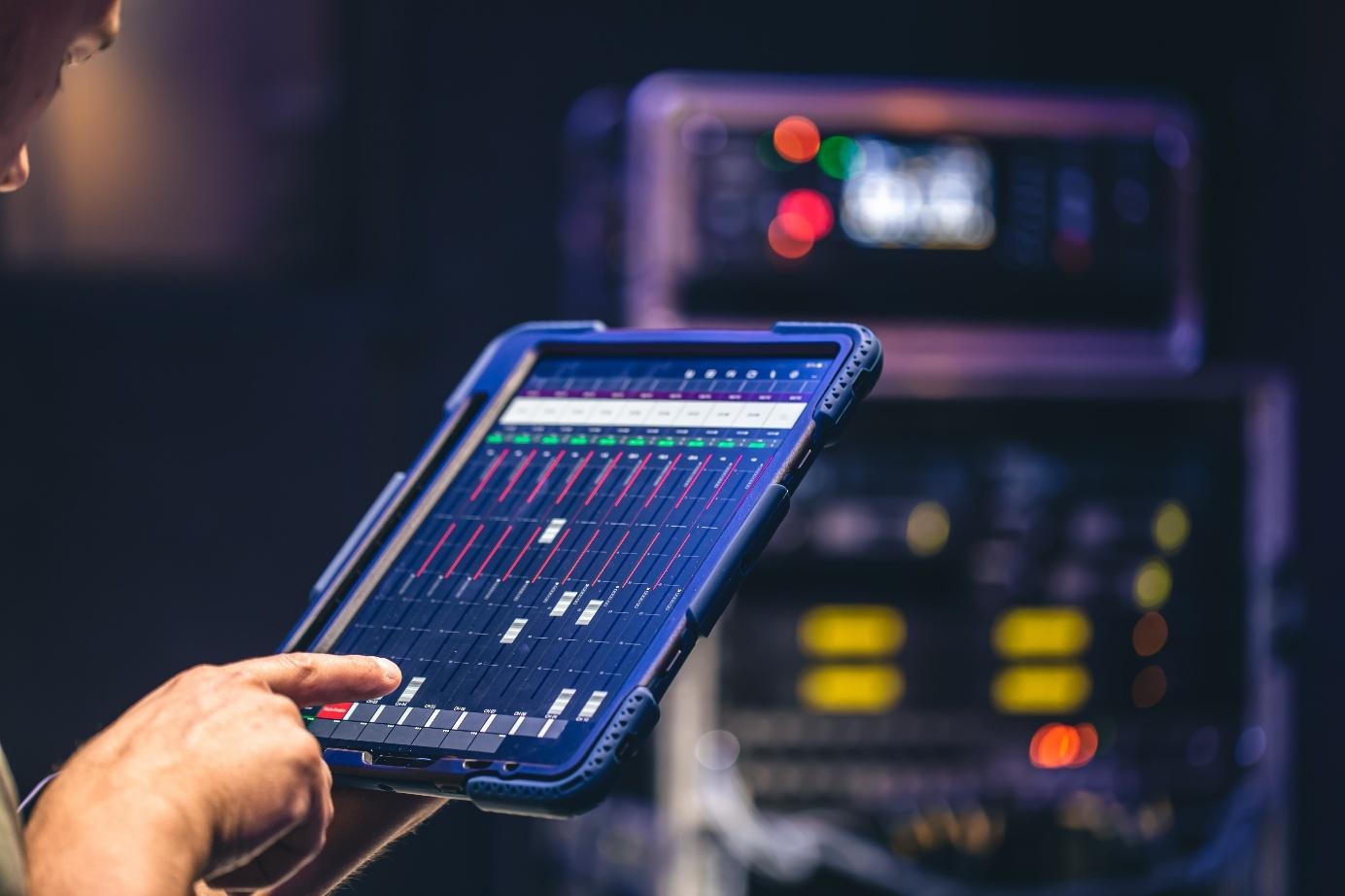
Remote Monitoring and Mobile Solutions: Modern energy monitoring dashboards can be tracked not just on-site, but also via remote access. Thanks to solutions integrated into mobile devices, managers can see the factory's energy consumption from anywhere in the world. This provides both operational flexibility and contributes to the uninterrupted maintenance of energy management.
Technologies Used in Energy Monitoring Dashboards
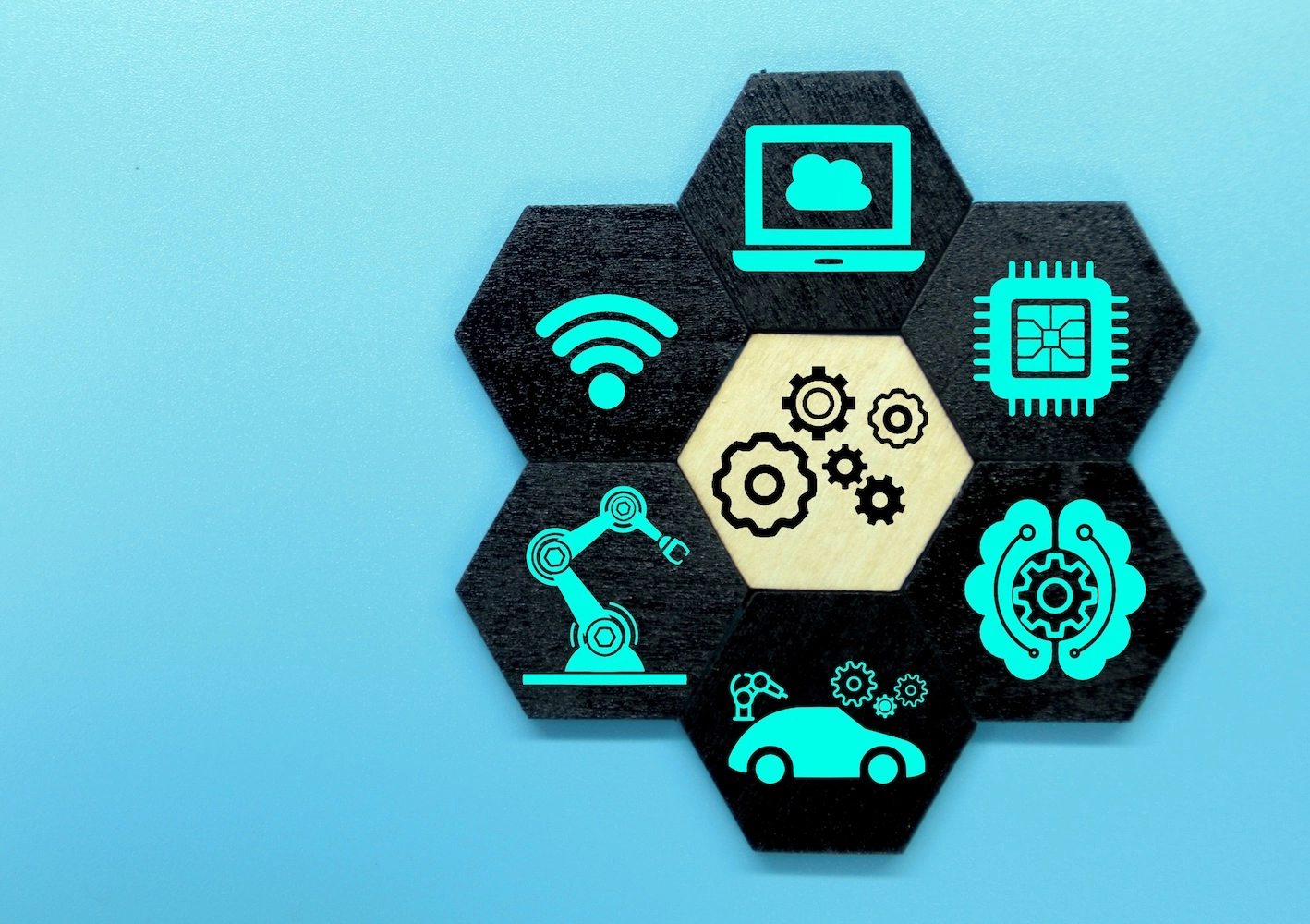
Energy monitoring dashboards do not consist only of traditional measuring devices. Along with Industry 4.0 and digitalization, these panels are supported by many technologies ranging from smart sensors to cloud-based software. The effective use of these technologies lies at the heart of ensuring transparent consumption in factories.
Smart Sensors
One of the most critical components of energy monitoring dashboards is smart sensors. These sensors:
Measure voltage, current, and power factor in real-time,
Detect energy fluctuations,
Contribute to maintenance planning by indicating faults in the system in advance.
Thus, not only energy consumption but also energy quality is kept under constant control.
IoT-Based Devices
The Internet of Things (IoT) takes energy monitoring applications in factories even further. IoT-based devices ensure a continuous flow of data between panels and central management systems. In this way, panels in different regions can be managed from a single center, and energy usage can be analyzed holistically.
Data Acquisition and Cloud Reporting Software
Millions of data points regarding energy consumption only gain meaning when analyzed correctly. Cloud-based reporting software:
Stores data securely,
Makes it understandable with user-friendly reports,
Provides decision support to management levels.
In this way, energy consumption is brought to a dimension that business managers, not just engineers, can easily understand.
Industry 4.0 Integration
Energy monitoring dashboards are directly linked to the smart manufacturing approach of Industry 4.0. The operation of production lines, automation systems, and energy management devices within a single ecosystem provides factories with the following advantages:
Less energy loss,
More efficient production planning,
Uninterrupted operation with real-time warnings.
Thanks to Industry 4.0 integration, energy monitoring dashboards become not just a tracking tool, but a strategic solution that increases production efficiency. Today, energy monitoring dashboards are equipped with smart sensors, IoT-based devices, and cloud-based reporting software. These technologies are among the critical building blocks of the Industry 4.0 transformation. At this point, the blog post "What is Industry 4.0? Explanation with Advantages and Applications" explains with examples how energy transparency becomes possible through digitalization.
Energy Monitoring Dashboards and Sustainability
Energy monitoring dashboards are one of the most effective ways to achieve sustainability goals in factories. Thanks to these panels, instantaneous energy consumption becomes transparent, losses are identified, and processes that consume unnecessary energy are quickly optimized. Thus, both the carbon footprint is reduced and resources can be used more efficiently.
In the long run, these systems contribute to the shaping of environmentally friendly production strategies. By managing energy more consciously, factories both fulfill their legal obligations and create a reliable brand perception for environmentally sensitive customers. In short, energy monitoring dashboards are more than a technical tool for sustainable production; they are a strategic advantage.
Conclusion: Safe and Efficient Production Through Transparency
Energy monitoring dashboards do not only make energy consumption visible in factories but also provide major advantages to businesses in terms of cost savings, sustainability, and safety. While tracking with real-time data allows for the rapid detection of losses and the increase of efficiency, legal reporting processes are also managed much more easily. Thus, businesses both maintain their competitiveness and fulfill their environmental responsibilities.
Patrion stands by businesses in this transformation with the modern panel solutions it offers. Factories wishing to establish a transparent, reliable, and sustainable production infrastructure through energy monitoring dashboards can reach their goals much faster with Patrion’s engineering and technology support. For a safer, more efficient, and eco-friendly production, the right step is to make energy management transparent.
Frequently Asked Questions
What is an energy monitoring dashboard?
Why is energy monitoring important in factories?
Which technologies do energy monitoring dashboards use?
How do energy monitoring dashboards contribute to savings?
What does transparent energy management mean?
Can energy monitoring systems be integrated with automation?
How does it make legal reporting easier?
Are the investment costs of energy monitoring boards high?
Can an energy monitoring board be used in small-scale facilities?


.svg)



.svg)
.svg)


